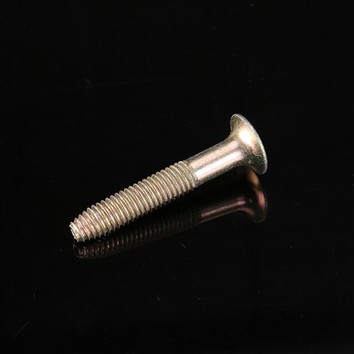
Decking Screw

China Decking Screw Manufacturers Factory Suppliers


We specialize in producing all kinds of Decking Screw products, mainly SS Flat Torx Drive Deck Screw, SS Oval Head Torx Drive Deck Screw with Slot, Flat Head Square Drive Deck Screw Ruspert, Hex Flange Head Decking Screw, Bugle Head Decking Screw, etc.
Haiyan Gete Hardware Co.,Ltd. was established in 2014. After years of operation, it has mature technical expertise, advanced process equipment, extensive production experience, and a complete service system.
We have established long-term cooperative relationships with customers around the world, allowing customers around the world to buy high-quality products and enjoy excellent customer service.


Company Advantages


Well-Experienced
Haiyan Gete Hardware Co.,Ltd was established in 2014, with more than 10 years of manufacturing experience, creating many successful cases and can provide customers with perfect solutions. Our fastener and hardware business improves year by year in Europe and North American market.
Professional Team
We have hundreds of professional and technical personnel, and we can provide you with professional services. Professional engineers also can provide expertise consultations and professional advice on product selection and maintenance. Firmly supported by a fully experienced sales and engineering team, we can assist you in finding the exact hardware and fastener products you plan to purchase.
Competitive Pricing
We offer competitively priced for our products, ensuring that we can offer our customers a high-quality solution without breaking the bank. We also can offer different discounts based on your order quantity.
Quality Assurance
We adhere to stringent quality control measures to ensure that our products meet and exceed industry standards. Our fasteners are manufactured using premium materials and undergo rigorous testing to guarantee their durability, strength, and reliability in diverse operating conditions.
Customized Services
We offer customization options for our fasteners, including variations in size, material, and finish. This flexibility allows us to tailor our products to specific project needs, ensuring optimal performance and compatibility and our team is capable of developing new products or providing technical solutions tailored to customer requirements. If you have any special request, please send us the details.
Expansive Market Reach

With an experienced and professional team, we have exported our products to many countries and regions all over the world. Our products sell well in mainstream markets such as Europe, North America, Japan, South America, Oceania, and Asia. We have established long-term cooperative relationships with customers around the world.


Introduction to Decking Screw

Deck screws are threaded fasteners that are designed specifically for decks. They feature a tip, a shank and a head. Within the head is a recess for a particular type of bit, such as a Philips head bit. Regardless, deck screws are threaded fasteners that are used for building decks.
Decking screws are designed to withstand moisture, temperature fluctuations, and UV rays. They are often made from corrosion-resistant materials such as stainless steel or coated with protective finishes.
Decking Screws are ideal for outdoor projects, particularly for securing decking boards but they can also be used for a whole host of outdoor woodworking tasks such as cladding, fencing, doors, gates and much more. They are designed to withstand exposure to weather elements and offer superior corrosion resistance.

Stainless Steel Deck Screw Terrace Screw


Advantages of Decking Screw
Stainless Steel Chipboard Screw with Phillips Or Torx Drive
Slotted Wood Screw

Mechanical Advantage: The mechanical advantage of a screw is one of its key advantages over other fasteners, such as nails or bolts. It takes less force to drive a screw into a material than a nail into the same material.
Easy to Install: Decking Screws are relatively easy to install, requiring only a screwdriver and a bit of elbow grease. They do not require special equipment or skills, making them ideal for do-it-yourself projects and small-scale manufacturing.
Compatibility: Decking Screws are compatible with a wide range of materials, including wood, metal, plastic, and more. They can be used to fasten materials together that would be difficult to connect with other types of fasteners.
Flexibility and Versatility: Decking Screws are versatile and can be used in various applications, from construction and furniture manufacturing to electronics and automotive manufacturing. They can also be used in a range of environmental conditions, from hot and humid to cold and dry.
Precision: One of the primary advantages of screws is their precision. It can make a precise linear movement. Such movement is vital in applications like the screw in injection moulding and screw gauges.
Reduced Damage: Another advantage of screws is that they reduce the risk of damage to the application. Unlike other types of fasteners, screws create smaller holes, reducing the risk of splitting or cracking the material.
Strength: Decking Screws are known for their strength and can hold up better than nails and adhesive. But they are not comparable to welded joints and riveted joints.
Durability: Decking Screws are incredibly durable and can last a long time. They are made of materials that are resistant to wear, tear, and corrosion, making them ideal for outdoor applications. Unlike other types of fasteners that can become loose over time, screws maintain their hold over the life of the application.
Security: Decking Screws provide a high level of security and can be used to prevent unauthorised access to an application. For example, screws with specialised heads, such as tamper-resistant or security screws, can be used to secure sensitive equipment and components.
Aesthetics: Sometimes screws are designed to be aesthetically pleasing, and they can enhance the overall appearance of an application. They come in a wide range of finishes, including chrome, brass, and black oxide, and they can be chosen to match the application's colour and style.
Removable: Decking Screws can also be easily removed and replaced, making them ideal for applications that require frequent maintenance.
Cost-effective: Decking Screws are relatively inexpensive and cost-effective due to standardisation, making them an ideal choice for large-scale manufacturing and construction projects. They are also readily available, making them easy to obtain when needed.
Reusable: Decking Screws are reusable. It offers the number of practical benefits. Instead of constantly purchasing new fasteners, screws can be removed, cleaned, and reused, reducing the need for new materials and potentially lowering overall project costs. For example, in construction or woodworking, screws can be removed and replaced to adjust or modify a design or to repair or replace damaged components. However, the reusability of screw may depend on various factors such as type of material being joined, the environment in which it is being used, the frequency and manner of use.


Types of Decking Screw
 
 
Head Torx Drive Deck Screw

Head Torx Drive Deck Screws are more secure than regular flat-head or cross-head screws. Their star design helps to prevent stripping, slippage, and cam-outs. They also allow for higher torque transmission, so screws and bolts can be tightened more securely.

 
Flat Head Square Drive Deck Screw

Flat Head Square Drive Deck Screws, also called countersunk screws, are conical with a flat outer face and a tapering inner face. The flat head with nibs creates a countersink and seals the hole effectively.
Flat head square drive deck screws are used to fasten wood and composite decks to main beams. They are also used for wood to wood applications such as fencing, trim, railings, and general wood to wood projects.

 
Hex Flange Head Decking Screw

A hex flange head decking screw is a type of woodscrew with a hexagon head that's used to fasten timber decking to joists.
Hex flange head decking screws are fasteners that can be used with EPDM washers for installing roofing materials like cladding or metal sheets onto wood structures or timber roofing supports. The hex washer head and sealing washers make them suitable for roofing applications.

 
Bugle Head Decking Screw

Bugle-head deck screws are used to fasten wood decking. They have a countersunk head with a flat top and a concave under-head bearing surface. This design distributes the bearing stress over a wider area than a flat head screw.


Stainless Steel Chipboard Screw with Phillips Or Torx Drive


Applications of Decking Screw

Decking screws have many applications, including:

  • Fastening boards: Decking Screws can be used to fasten boards to decking, joists, or framework.
  • Building framing: Deck screws can be used to build framing and install rails.
  • Fastening to steel: Metal decking screws can be used to fasten to steel beams, steel joists, and light gauge metal purlins.
  • Outdoor applications: Hardwood decking screws can be used in outdoor applications and coastal environments.
  • Timber applications: Deck screws can be used in a number of timber to timber applications.
  • Structural wood: Decking Screws can be used for structural wood to wood applications such as framing, ledgers, and joists.


Basic Parts of Decking Screw

Head: The head of the decking screw will be the area on top that will still be visible when fully installed. The style and shape needed will vary based upon the material and application the decking screws are being used. Common types used in deck building are Flat/Bugle, Trim, Truss, Hex, and Cap/Undercut heads.
Drive: The drive is located within the head of the screw and determines the driver bit that will be used to install the fasteners. Typical drive types include Phillips, Square, Slotted, Torx/Star, or Hex/Allen Drives. The more engaged your drive type, the less prone your screw is to stripping or slipping off the bit when being installed.
Shank: The shank is the unthreaded part of a screw between the head and the thread itself. The shank will denote the width and thickness of the screw itself. The shank area of a screw serves two purposes: it allows the screw to pull the two pieces of material together and keeps the screw from overheating which can lead to breaking or snapping.
Thread: The thread is the helical, or spiraling, section of that runs around the body of the screw. When driven into the material, the thread of the screw digs into the fibers and tightens, essentially embedding itself into the wood. Some screws, such as those for composite decking, have additional reverse threads for pulling the material downwards and ensure there will be no mushrooming of the board.

SS Hex Head Wood Screw


Certifications


We have various technical certifications incorporate: GB, DIN, ISO, ANSI/ASTM, BS, BSW, JIS . The quality of our products is highly praised by customers.

productcate-1-1
productcate-1-1
productcate-1-1
productcate-1-1
productcate-1-1


Products Description
 

We have a fully automatic CNC production line, and are committed to providing customers with the best products and services.

productcate-1-1
productcate-1-1


productcate-1-1


Frequently Asked Questions
 

Q: What are the disadvantages of Decking Screw?

A: Vulnerability to stripping: Decking Screws can be vulnerable to stripping or cross-threading, making them difficult to remove and replace.
Limited holding power: Decking Screws may not provide the same holding power as other fasteners, such as welding, and riveting, which can limit their use in certain applications. In structural components, standard screws may not be able to provide the necessary support or strength. Bolts are specialised fasteners designed to withstand heavy loads and stresses, making them a better option for joining structural components.
Stress concentration: One of the primary drawbacks of screw joints is the concentration of stress in the threaded areas, which can become vulnerable points under varying load conditions.
Surface damage: Decking Screws can cause surface damage to the fastened materials, which can be a concern in applications where aesthetics is important.
Thread wear: Even though it is reusable, the threads of screws can wear down over time, reducing their holding power and making them more difficult to remove and replace.
Thread compatibility: Decking Screws with different thread types and pitches may not be compatible with each other, making it difficult to find replacement parts or use screws from different manufacturers.
Pre-drilling requirements: Decking Screws may require pre-drilling in some materials to prevent splitting or damage to the material, such as hardwoods or dense metals.

Q: What are the precautions when using Decking Screw?

A: Pre-drilling: Pre-drilling may be required, especially in hardwood.
Internal/External Use: Specifically designed for external use.
Eco-friendly: Look for eco-friendly options such as screws made from recycled materials or those with sustainable coatings.

Q: Choose Decking Screw or Wood Screw?

A: While they are both used in woodworking applications, deck screws and wood screws aren't the same. Most deck screws have a fully threaded shank. In other words, the exterior ridges extend all the way from the tip to the head. Wood screws are available in different designs. Some wood screws have a similar type of fully threaded shank, whereas other wood screws only have a partially threaded shank.
Decking screws and wood screws are also available in different materials. You can find wood screws in many different materials, including stainless steel and carbon steel. Decking screws, conversely, are made specifically of corrosion-resistant materials. Some deck screws are made of stainless steel. Stainless steel is an iron alloy that's highly resistant to corrosion. Other deck screws are made of copper. Copper is a strong metal that exhibits corrosion-resistant properties.
If you compare a deck screw to a wood screw, you may notice that the former has deeper threading than the latter. The exterior threading on deck screws is deeper than that of wood screws. Deep threading allows deck screws to dig into the wooden planks of a deck.

Q: What factors to consider when choosing Decking Screw?

A: Things to Consider When Choosing Deck Screws:
When choosing decking screws, you should consider the drive type. The drive type is determined by the head recess. You should also choose decking screws in an appropriate material. As previously mentioned, they are typically made of corrosion-resistant materials. In addition to corrosion resistance, though, the material from which they are made should be strong and durable.
Don't forget to consider the length when choosing decking screws. They should be long enough to fully secure the wooden planks. But decking screws shouldn't be so long that they protrude out of the back of the wooden planks.

Q: How Decking Screws Differ from Common Screws?

A: It's essential to understand their key distinctions from common screws when it comes to decking screws. While both serve the purpose of fastening materials together, decking screws are specifically designed for outdoor applications, particularly in deck construction.
Here are a few ways in which decking screws differ from their common counterparts:
Corrosion Resistance: One of the most significant differences lies in the materials used to manufacture decking screws. Unlike common screws, which may be prone to rust and corrosion when exposed to moisture and outdoor elements, decking screws are typically crafted from corrosion-resistant materials such as stainless steel or coated with protective finishes. This feature ensures their longevity and prevents unsightly stains or structural deterioration.
Specialized Thread Design: Decking screws often feature a unique thread design that contributes to their superior holding power. These threads are designed to create a strong grip, pulling the decking material tightly against the underlying joists or framework. This enhances the overall structural integrity of the deck, preventing sagging, loosening, or warping over time.
Self-Countersinking Ability: Decking screws commonly possess a self-countersinking feature, which means they have a tapered head or a specific design that allows them to sink flush with the deck surface. This ensures a clean and aesthetically pleasing finish, reducing the risk of tripping or snagging on raised screw heads, and providing a smooth surface for walking or lounging.

Q: How Strong Are Decking Screws?

A: Screws can be found in a variety of sizes and shapes, and though many people assume screw types are interchangeable, there are important differences between wood screws and decking screws. Though decking screws and wood screws look similar, they have different purposes.
Compared to thin nails, decking screws are much stronger and can hold considerably more weight. Deck screws are also stronger than wood screws and tend to be made from stainless steel or copper for increased durability.

Q: Which Materials Are Compatible with Decking Screws?

A: Selecting the right material is crucial for ensuring durability and longevity. Different materials require different properties in a screw to achieve optimal results. Here are a few key considerations:
Wood: Traditional wooden decks remain a popular choice for their natural beauty and charm. When working with wood, it's important to choose decking screws specifically designed for this material. These screws typically have coarse threads that provide excellent grip and help prevent the wood from splitting.
Composite: Modern decking materials, such as composite boards, have gained popularity due to their low maintenance and long lifespan. Composite decking screws are specifically engineered to work with these materials. They often feature special threads designed to secure composite boards tightly without causing damage.
PVC: Polyvinyl chloride (PVC) decking offers excellent resistance to moisture, rot, and insect infestations. For PVC decking, it's essential to use screws specifically designed for this material. These screws often have a unique coating or treatment to prevent corrosion and maintain their structural integrity.
Metal: In some cases, decks may incorporate metal components, such as aluminum or steel. When working with metal, it's important to choose screws that are compatible with the specific type of metal to prevent corrosion and ensure a secure connection.

Q: What are the characteristics of Hex Flange Head Decking Screw?

A: Here are some features of hex flange head decking screws:
Corrosion resistance: Hex head decking screws are resistant to corrosion, making them a good choice for many types of decking.
Self-drilling: Some hex head decking screws have self-drilling features, so you don't need a pilot hole.
Reduced timber splitting: Some hex head decking screws have features that reduce timber splitting.
Lower installation time: Heavy duty hex flange head screws can reduce installation time because they don't require a pilot hole.
Countersunk head: Galvanized timber bugle decking screws have a countersunk head with nibs that help remove timber particles when countersinking.

Q: What are the benefits of using Decking Screw on laminate flooring?

A: Decking Screws are specifically designed to meet the unique demands of modern decking materials, such as composite boards. Here's why they are the preferred choice for these applications:
Thread design: Decking Screws typically feature threads with a specific shape and spacing to ensure a tight and secure connection with composite boards. These threads help prevent the boards from sagging, warping, or loosening over time.
Reduced risk of splitting: Composite boards are prone to splitting when fastened improperly. Decking Screws are designed to minimize the risk of splitting, thanks to their specialized thread design and often self-drilling capabilities.
Corrosion resistance: Just like wood decking screws, decking screws are often coated with corrosion-resistant materials. This is especially important when working with composite materials that can expand and contract due to temperature changes, exposing the screws to potential stress.

Q: How long should decking screws be?

A: Deck screws should be at least 2.5 times the thickness of the board they are fixing.

Q: Where should decking screws be positioned?

A: Deck screws should be 25% in from the board edges and 25 mm in from the board ends.

Q: How many decking screws are needed?

A: A general rule of thumb is 350 screws per 100 square feet of decking.

Q: Are stainless steel deck screws worth it?

A: Yes, stainless steel deck screws are worth it if you want a deck that will last a long time without rusting or corroding. Traditional deck screws are typically made of carbon steel, which can rust and corrode over time when exposed to moisture. Stainless steel screws, on the other hand, are made of a combination of steel, chromium, and other alloys, making them resistant to rust and corrosion. They may be more expensive than traditional deck screws, but they are a good investment in the long run.

Q: What are the disadvantages of stainless steel screws?

A: One disadvantage of stainless steel screws is their higher cost compared to traditional deck screws made of carbon steel. Additionally, stainless steel screws can be more difficult to work with due to their hardness and strength. It is important to use the appropriate drill bit and driving tool to prevent damage to the screw and ensure proper installation

As one of the leading decking screw manufacturers and suppliers in China, we warmly welcome you to buy decking screw for sale here and get free sample from our factory. All customized products are with high quality and low price.

Insulator Stud Set, Chipboard Screw, Double Flat Head with Nibs Under Head Self Drilling Screw with Ruspert Treatment