

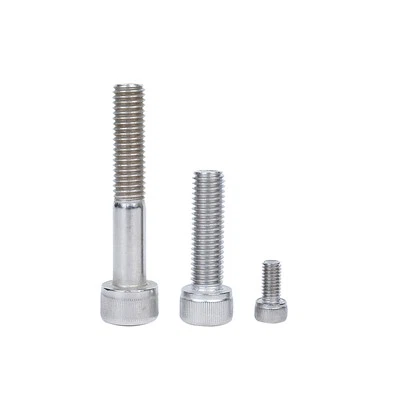
There are indeed significant differences in the tensile strength of nails made of different materials, which mainly depends on the physical properties of the material itself and the manufacturing process of the nails. The following is a comparison of the tensile strength of nails made of several common materials:
1. Iron nails
Iron nails are the most common type of nails used in daily life, and their tensile strength usually ranges from a few hundred Newtons to several thousand Newtons. The specific value will be affected by factors such as the diameter of the iron nail, material purity, and heat treatment process. Generally speaking, the tensile strength of iron nails, although not particularly high, is sufficient to meet the needs of most daily fixing and connecting materials.
2. Stainless steel nails
Stainless steel nails, especially high-quality stainless steel nails like 316 stainless steel, have excellent tensile strength and corrosion resistance. The tensile strength of 316 stainless steel nails is often much higher than that of ordinary iron nails, which makes it widely used in construction, machinery, chemical industry and other places that need to withstand large tensile forces and corrosive environments. In addition, the corrosion resistance of stainless steel nails also makes them more suitable for use in humid or corrosive environments.
3. Nails made of other materials
In addition to iron nails and stainless steel nails, there are many nails made of other materials on the market, such as aluminum alloy nails, copper nails, etc. The tensile strength of these nails varies depending on the material. For example, aluminum alloy nails generally have lower density and higher tensile strength, but may not be as corrosion-resistant as stainless steel nails; while copper nails are used in some specific applications because of their good conductivity and corrosion resistance. However, its tensile strength may be relatively low.
4. Factors affecting tensile strength
In addition to the material itself, the tensile strength of nails is also affected by many factors, including the diameter, length, shape and manufacturing process of the nails. Generally speaking, nails with larger diameter, longer length, and more reasonable shape tend to have higher tensile strength. At the same time, good manufacturing technology can also significantly improve the tensile strength of nails.
5. Summary
In summary, there are significant differences in the tensile strength of nails made of different materials. When choosing nails, you should choose the appropriate material and specifications based on the specific use occasion and needs. For occasions that need to withstand large tensile forces and corrosive environments, nails with high tensile strength and good corrosion resistance should be selected; for general daily needs, you can choose more cost-effective iron nails or nails of other common materials.