

When securing heavy machinery and other industrial equipment, bolts can gradually loosen due to the presence of a large number of dynamic forces. We won't give you a complete refresher on physics class, but we will introduce some important concepts:
●Vibration and Fretting: Bolts gradually loosen primarily from vibrations and fretting that occur when heavy machinery or equipment is in operation. Over time, these forces cause the bolts to shift in tiny ways. Think of it as a constant, subtle rocking motion-on the surface it's barely noticeable, but over time it can have significant consequences.
●Bolt Tension Gradually Relaxes: As machinery vibrates, these frettings gradually relax the tension in the bolt. Bolts are initially tightened to a specified torque, creating a clamping force that holds the connected parts together. However, vibrations act as a constant force on this clamp, causing the bolt to lose its initial tension. This effect is often referred to as "creep."
Vibration Sources:
●Heavy machinery, such as crushers, construction equipment, manufacturing machines
●Engine, whether it's a vehicle or a stationary generator, etc.
●Rotating equipment, such as pumps, fans, and turbines
●Vehicle movement
●Consequences of Loose Bolts
●The effects of loose bolts go far beyond mere inconvenience. In fact, they can be catastrophic.
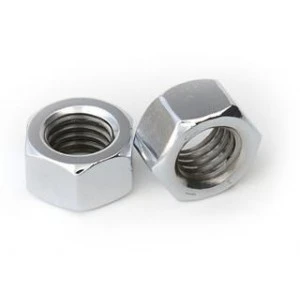
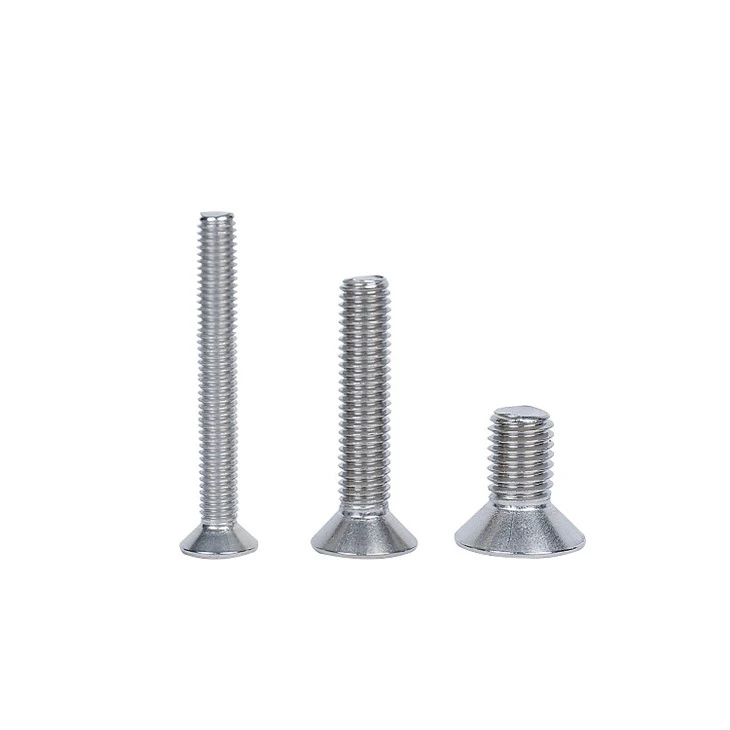
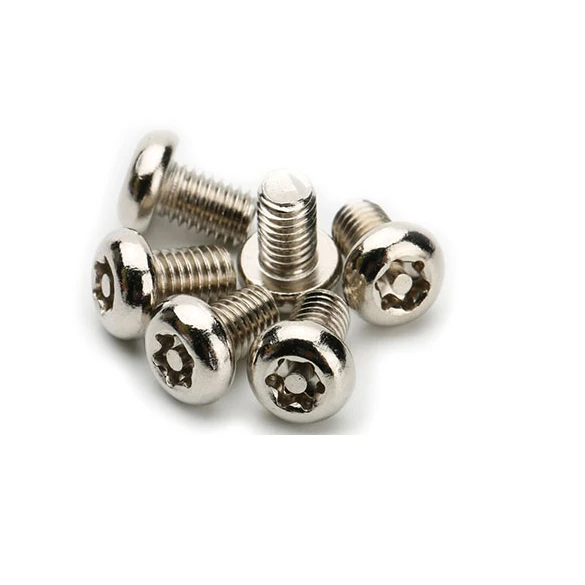
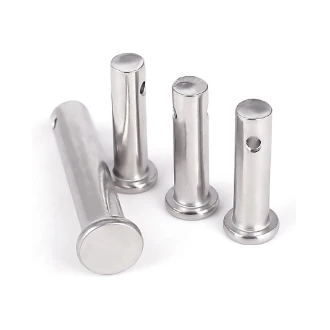
Consequences of loose screws
The effects of loose screws go far beyond mere inconvenience. In fact, they can be catastrophic.
●Equipment failure - loose bolts can compromise the structural integrity of machinery or structures, causing equipment failure. These failures not only lead to costly repairs or replacements, but also pose significant safety risks to workers and bystanders.
●Injury – In some cases, loose bolts can cause equipment to malfunction, resulting in accidents and injury to nearby workers.
●Costly downtime – The financial impact of downtime caused by loose bolts is significant. When machines or critical infrastructure become inoperable due to screw problems, it can lead to lost productivity, missed deadlines and costly maintenance work.
How to Prevent Bolts from Loosening: 4 Steps to Try
1. Ensure Proper Bolt Selection and Installation
Of course, the first and most critical step to preventing bolt loosening is selecting the right bolt. This involves paying attention to the following key factors:
Materials and Coatings – Select material and coating options that are appropriate for the specific environmental conditions and stresses your application will face.
Grades – Bolt grades are established for exactly this reason; to verify the amount of stress a specific bolt can withstand.
Thread Type – Threads that provide a secure fit, such as fine threads, are often preferred for applications that are prone to vibration.
2. Use locking devices
To add an extra layer of security, consider using a lock along with a bolt. Some common options are lock washers, threaded patches and set screws - all of which have their own advantages and disadvantages.
The set screw is the superior locking mechanism for this use case. In fact, this is the biggest takeaway from this article. Set screws are self-locking screws with a hex head with a special notch responsible for their self-locking capabilities. Set screws are seven times more vibration resistant than traditional hex head screws! If you haven't tried it yet, I wasn't lying when I said it was a game changer.
Lock washers are designed to prevent loosening caused by vibration. They work by creating tension between the screw head and the surface. Although they are cost-effective and easy to install, their effectiveness can vary by application and may not always completely prevent loosening.
Thread patches are pre-applied materials that increase the friction between the screw and the thread. This greatly reduces the chance of weight loss. They are particularly effective in applications with high levels of vibration, but can be more expensive than other solutions. Additionally, most screws with locking patches cannot be tightened and re-tightened if the patch wears.
3. Tighten to the specified torque
Correct tightening of the screws is essential to maintain their integrity and prevent them from loosening. Always refer to the manufacturer's specifications or engineering instructions for correct torque values. Do a test run or use a torque tensioner to check that you have reached the desired tension level.
4. Regular inspection and maintenance
The performance of the screws does not end with the initial installation. To ensure long-term safety, implement regular inspection and maintenance procedures. Schedule routine inspections to identify any loose or damaged bolts, as early detection can prevent catastrophic failure.
During the inspection, if you find that a screw is broken or broken, immediately replace it with a new one from a trusted manufacturer. Remember, sometimes the cheapest option is not the best option or even the cheapest option in the long run. If you find yourself replacing damaged screws often, try investing in a higher quality option to save yourself the hassle and money.