

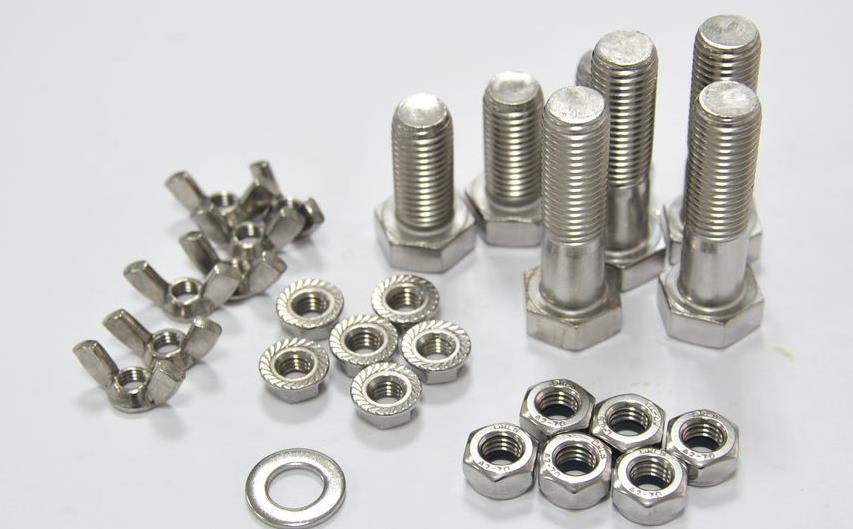
The main elements of stainless steel include iron, chromium, and nickel, which have an important influence on the performance of stainless steel. Iron is the basic element of stainless steel, providing the structure and strength of steel. Chromium is a key element to improve the corrosion resistance of stainless steel, which can form a dense chromium oxide film on the surface of steel to prevent further corrosion. The addition of nickel can improve the corrosion resistance and toughness of stainless steel, especially in environments containing chloride ions. In addition, elements such as molybdenum, titanium, and niobium can also be added as needed to further enhance the specific properties of stainless steel.
Stainless steel can be divided into austenitic steel, ferritic steel, martensitic steel, and duplex stainless steel according to its organizational structure. Austenitic steel has good corrosion resistance and weldability and is often used in the manufacture of chemical containers and pipelines; ferritic steel has high strength and is suitable for chemical equipment and architectural decorative components; martensitic steel is suitable for wear-resistant parts due to its high hardness; duplex stainless steel is a new type of stainless steel developed in recent years, with excellent corrosion resistance, but the price is relatively high.
Stainless steel has a wide range of applications, including construction, chemical industry, food processing and other industries. Its good corrosion resistance and diverse organizational structure enable it to perform well in various environments.