

How do concrete screws fasten objects to concrete surfaces stably?
Unlike traditional screws used for wood or other soft materials, concrete screws are primarily used to penetrate and fasten into concrete. They have a unique design that allows them to form a strong bond with concrete floors. The thread design of concrete screws is usually sharper and more pronounced than traditional screws. This sharper thread can bite into the concrete, providing a firm grip.
To install concrete screws, a pilot hole is drilled into the concrete using a masonry drill bit that matches the diameter of the screw. The screw is then inserted into the hollow hole and screwed in using an electric drill or hammer drill, depending on the type of screw. During the process of screwing the screw in, the threads interact with the concrete and create friction, preventing the screw from loosening or pulling out.
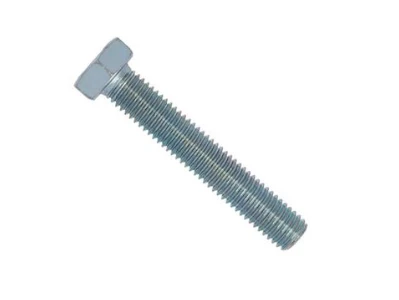
Benefits of using concrete screws in construction projects:
There are many benefits to using concrete screws in construction projects. First, they provide a sturdy and reliable fastening solution. Once installed, concrete screws can withstand tremendous weight and force without compromising the stability of the connection.
In addition, concrete screws are flexible. They can be used to fasten a variety of materials to concrete surfaces. Whether it's wood, metal, plastic or electrical furniture, concrete screws can get the job done. This versatility makes them a must-have on production sites, where different materials often need to be securely fastened to concrete.
Types of Materials That Can Be Installed Using Concrete Screws:
Concrete screws can be used to fasten a variety of substances to concrete surfaces. Here are some common examples:
1. Wood: Concrete screws can be used to fasten boards, planks or beams to concrete walls, floors or ceilings. This is particularly useful in applications such as mounting shelving equipment, framing partitions or attaching brackets to wooden fixtures.
2. Metal: Concrete screws can be used to fasten metal brackets, hangers or frames to concrete surfaces. These screws provide a secure hold for plumbing, electrical conduit or metal flashing.
3. Plastic: Concrete screws are also suitable for fastening lightweight plastic materials to concrete surfaces. Whether it's PVC pipes, plastic anchors or plastic fittings, these screws ensure a secure connection.
4. Electrical Fixtures: Concrete screws are often used to attach electrical containers, conduit straps and other electrical equipment to concrete walls or ceilings. This ensures that electrical wiring installations in your home are safe and stable.
Concrete screws are essential fasteners in construction projects, providing a reliable and effective method for securing items to concrete surfaces. With their precise placement and ability to bond securely with concrete, they provide a strong connection that can withstand heavy loads and forces. Concrete screws are versatile in fastening a wide range of materials, from wood and steel to plastics and electrical furniture. So whether you're working on a small DIY project or a large construction site, concrete screws are an essential solution for securing items to concrete surfaces and ensuring lasting stability.